
Two of Asia’s most prominent names in regenerative medicine and clinical research are joining forces with a shared mission to bring advanced stem cell treatments to patients with autoimmune disease, type 2 diabetes, and other intractable conditions.
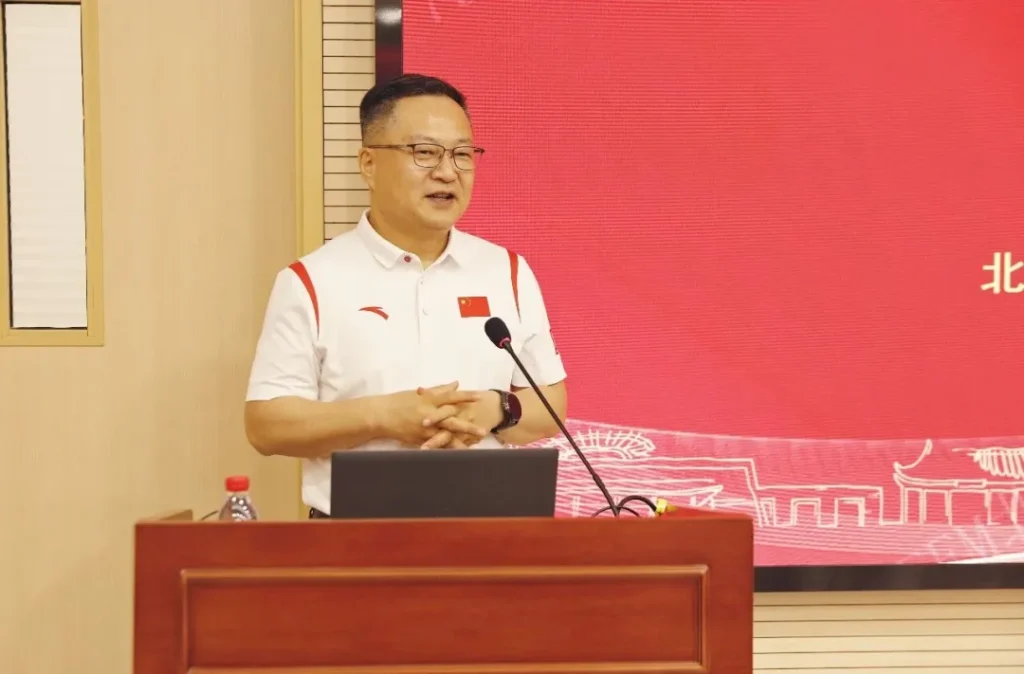
On May 11, 2026, Dr. Hu Junyuan, founder and chairman of Shenzhen Beike Biotechnology, and Academician Wei Yuquan of the Chinese Academy of Sciences visited Peking University International Hospital for a high-level exchange on cell therapy clinical translation, intelligent production technology, and cross-institutional collaboration.
The meeting was attended by the Executive President of Peking University International Hospital, alongside hospital directors and department heads, signaling institutional commitment at the highest level.
Stem cell therapy breakthroughs: from autoimmune disease to type 2 diabetes
Dr. Hu presented Beike’s most significant advances in mesenchymal stem cell (MSC) therapy and its industrialization. Central to this discussion were clinical breakthroughs in two high-burden conditions with few effective treatment options:
- Refractory lupus erythematosus, a severe autoimmune disease that resists conventional treatment
- Type 2 diabetes, a condition affecting over 500 million people globally, with growing interest in regenerative approaches
These breakthroughs earned Beike’s research team second place at China’s National Technological Invention Award, one of the country’s highest honors in applied science.
Intelligent cell production: making stem cell therapy scalable and accessible
A key topic in the exchange was Beike’s fully closed, automated, and digitalized cell production system, an intelligent manufacturing platform built to address one of the biggest barriers in cell therapy: consistency and cost at scale.
By standardizing and automating the production of therapeutic cells, this system lowers treatment costs and ensures quality stability across batches, paving the way for broad clinical deployment of stem cell therapy in hospitals across Asia and beyond. Dr. Hu also outlined the regulatory and policy pathways for hospital-level implementation.
A new model for research-to-bedside collaboration
The two organizations plan to jointly establish a high-level translational research center and build a collaborative innovation ecosystem connecting scientific research, clinical practice, and industry, a model increasingly recognized as essential for closing the gap between laboratory discoveries and real-world patient access.
Accelerating cutting-edge technologies from the lab to the bedside, and truly benefiting more patients with intractable diseases.
— Dr. Hu Junyuan, Founder & Chairman, Beike Biotechnology
Frequently asked questions about stem cell therapy
What is stem cell therapy, and what diseases can it treat?
Stem cell therapy is a form of regenerative medicine that uses living cells, most commonly mesenchymal stem cells (MSCs)to repair, replace, or regenerate damaged tissues. Current research and clinical applications focus on autoimmune diseases (such as lupus), type 2 diabetes, neurological conditions, and musculoskeletal disorders.
Is stem cell therapy available in Asia?
Yes. Asia, particularly China and Thailand, is one of the world’s most active regions for clinical stem cell research and treatment. Beike Biotechnology operates in both countries, with treatment facilities in Bangkok and research partnerships with leading Chinese academic hospitals.
What makes Beike Biotechnology different from other stem cell clinics?
Beike is backed by 21 years of R&D, an FDA-recognized Drug Master File for hUC-MSCs, award-winning clinical breakthroughs, and a proprietary intelligent cell production system that ensures quality consistency. The company partners with top-tier academic hospitals to translate evidence into clinical practice.
About Beike Biotechnology
With over 21 years of focus on cellular biotechnology, Beike Biotechnology is one of Asia’s most experienced stem cell therapy companies. Operating in China and Bangkok, Thailand, the company develops and delivers advanced cell therapy treatments for patients with conditions that conventional medicine cannot resolve, with a growing global network of clinical and hospital partners.